%2Ffit-in%2F250x250%2Fguide_websites%2F14518%2Fimages%2F1712179214944image-2024-04-04t051914.058.png&w=1920&q=100)
Wading Fishing in Matagorda TX - Guided Experience
Wading Fishing in Matagorda - What to Expect
%2F%2Fusers%2F42009f21-f945-4a2a-b898-0c6b3d09ec96%2Fimages%2Fmatagorda-wading-fishing-texas-2586.jpg&w=1920&q=75)
Guided Fishing Trip by Guide Zack Shannon in August
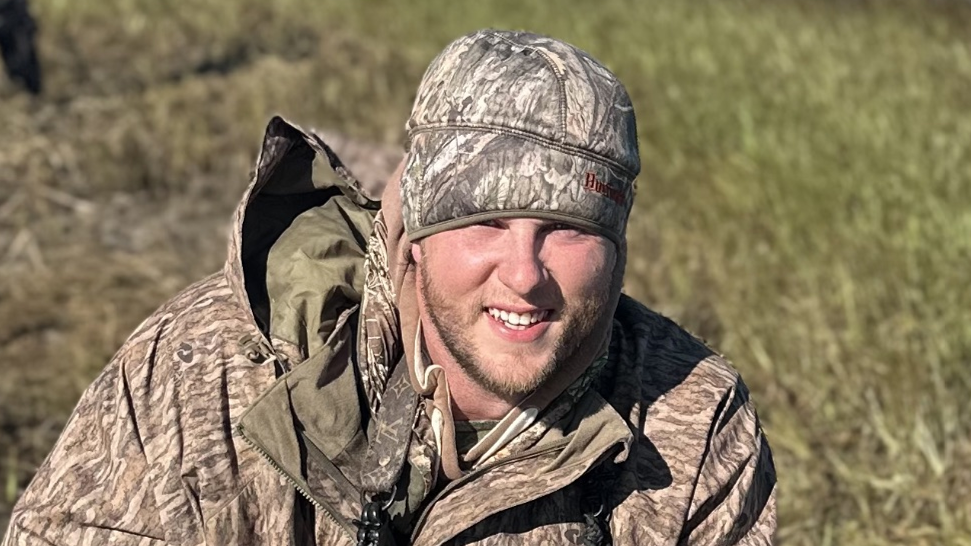
- Cast & Blast With Our Top Matagorda Fishing Guides


Summary
Join Guide Zack Shannon of Captain Shannon's Charters on Wednesday, August for a guided fishing trip exploring Matagorda's productive shallow waters. This wading fishing experience combines coastal technique with local expertise, offering access to prime fishing grounds where technique and timing matter most.
Fishing with Zack Shannon of Captain Shannon's Charters - Rates & Booking
Guide Zack Shannon of Captain Shannon's Charters on Wednesday, August offers a specialized guided fishing trip focused on wading techniques in Matagorda's shallow coastal waters. This hands-on experience puts you directly in productive fishing grounds where you'll work shallow flats and near-shore environments using rod and net techniques. Zack brings local knowledge of tidal patterns, seasonal fish movement, and the specific structure that concentrates fish in these waters.
For complete trip details including duration, group size, gear inclusions, and current rates, contact Captain Shannon's Charters directly. Zack operates with the local expertise needed to read water conditions and position you for success in Matagorda's dynamic fishing environment.
Highlights of Wading Fishing in Matagorda
Wading fishing in shallow coastal waters offers a direct, immersive connection to the environment. You're on the water in a low-impact setup that lets you cover productive areas methodically. The shallow flats and near-shore zones around Matagorda hold fish year-round, with seasonal variations that Zack understands and exploits.
The combination of rod work and net skills gives you practical fishing tools that work across species and conditions. Seeing the water, understanding structure, and reading subtle signs of fish activity builds real fishing competency that transfers to other environments and techniques.
Wading Fishing Experience in Matagorda Coastal Waters
Matagorda's shallow coastal environment creates specific conditions that shape the fishing experience. The shallow water clarity and gradual depth transitions allow you to spot structure, read bottom composition, and observe fish behavior directly. Wading puts you at water level where perspective shifts - you see movement, feeding patterns, and responses to lures and bait in real-time.
Coastal wading requires understanding tidal movement and how water flow concentrates fish along drop-offs, grass beds, and structural features. Matagorda's flats system changes throughout the day as tide moves through, creating windows of opportunity when fish move into shallow water to feed. Morning and evening periods often provide the most active feeding, though productive times vary seasonally.
The act of wading itself develops water sense. You learn how to move quietly without stirring bottom material, how to position yourself relative to sun and wind, and how to read subtle bottom changes by feel and sight. This active problem-solving approach to fishing builds practical skills that competitive anglers and serious hobbyists value.
Rod technique matters in shallow water. Working lures or bait presentation at the right depth, with appropriate speed and action, requires attention and adjustment. You'll practice casting accuracy, feel development for detecting strikes, and rod angles that control fish movement once hooked. Zack guides you through these techniques in real conditions where they matter.
Net work - whether for landing fish or for seine-style techniques - adds another practical skill. Nets require timing, smooth motion, and understanding of fish panic responses. Learning when and how to deploy nets effectively rounds out your fishing toolkit.
The Matagorda coastal environment hosts multiple fish species across seasons. Understanding what species are present, their habitat preferences, their feeding patterns, and their seasonal movements helps you fish more effectively. Shallow water fishing often attracts species that hunt actively in flats - fish that respond to visible presentations and that provide engaging visual fishing experiences.
Weather and water conditions in Matagorda's coastal zone shift regularly. Wind, tide, temperature, and clarity all influence fish location and feeding behavior. Zack reads these conditions constantly, adjusting strategy based on what water conditions tell him about where fish will be concentrated and how they'll respond to presentations.